
Let’s face it, the goal for most restaurant operators is to create more revenue and more profit. And in the search for ways to improve your bottom line, you might have run across the term value engineering. But how often can you replace the words value engineering with cost cutting and get the same results?
People often look to the simple equation of reducing initial costs to see better unit economics and more cash flowing into the business. However, in the real world, things aren’t that simple. If you just focus on reducing capital expenses, you run the risk of causing problems and jeopardizing efficiencies and optimization in other areas. You might eliminate a costly piece of equipment only to have to spend more on labor to get the same results. At the very worst, your cost cutting could eventually affect top-line sales.
At starrdesign, we know the struggle restaurant operators face, especially in today’s environment where the cost of goods is still around 21% higher than pre-pandemic levels and construction inflation has outpaced that by an additional 17%. We understand the importance of value engineering to help run a successful business. And therefore, we look at value engineering with a unique approach, taking into account all aspects of an operation.

The Big Picture Strategy of Value Engineering
When we work with clients on value engineering, we emphasize the importance of taking a step back to analyze all segments of the business. While you might find places to cut capital expenses and optimize sourcing strategies within these areas, the goal is to find ways to improve operations and implement efficiencies in other aspects as well, without sacrificing your core values. We look at four major segments of each concept:
Brand. Who you are and what you stand for should be what everything else is evaluated against. Think about your messaging, and refine it down to its very essence. This is what you want the guest to experience. Once you have these focused messages in place, you can use it to evaluate the rest of the business.
Menu. Taking a critical look at the menu means more than just analyzing what menu items are bringing in sales and which ones aren’t. We also look at what it takes to produce the food, the equipment needed to prepare it or hold it, and the labor involved, all of which contribute to costs.
Operations. Traffic patterns say a lot about a restaurant operation and provide opportunities for improving efficiencies. We look at capacity requirement, party sizes, and table utilization to determine the minimum requirements to produce the appropriate sales levels and design accordingly. This often leads to one of the best ways to value engineer – simply build a smaller, more efficient restaurant.
Development Processes. There are things outside your four walls that also affect the bottom line. We help you look at strategic sourcing, set up national accounts, and collaborate with contractors and vendors to make the design and construction process as simple and quick as possible, which often produces long-term results with a significant effect on the bottom line. As we all know, time is money.
A Look at Our Process
The first and most important aspect of our work with clients on value engineering is to make sure all the decision makers are working together from the very beginning. That way as you walk through the processes, everyone is there to discuss the priorities, understand what sacrifices will need to be made, and come to an agreement on the best places for implementing changes. You won’t end up with a surprise well into the process when one person interjects their opinion after not being included early on.
Once you have your team together, we sit down for an evaluation. It might feel like we’re tearing things apart as we analyze the brand, menu, operations, and development process, but it’s important to look at each aspect of your business critically. It’s only after you tear it all apart that you’re able to put it back together again, y with improved results.
That’s where the next step of our process comes into play. Once we go through the discovery, it’s time to evaluate everything against those priorities. We use three metrics to guide this process. Ask yourself, is this reinforcing, neutral, or in opposition to your priorities? Once you’ve taken a hard look in a critical manner, that’s when you can start to put all the pieces back together again.
Putting the Process into Practice
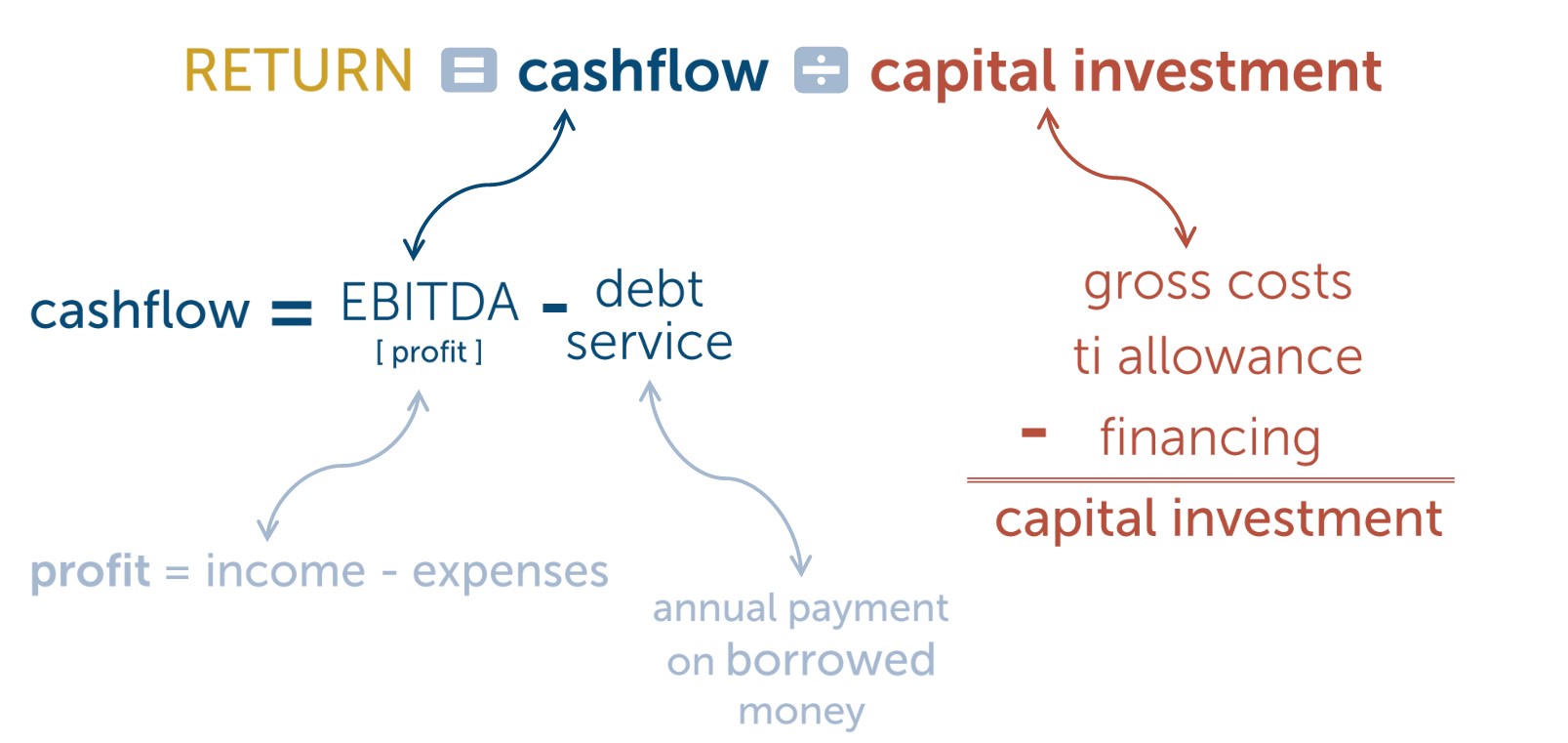
The key to value engineering is balancing the equation. The best process focuses on both sides of the return on capital equation — strengthening sales and improving profit, while at the same time lowering the overall investment. It’s counterproductive to simply lower capital expenses and end-up lowering sales and / or increasing operating costs.
If you cut a cost, you then have to find a way to improve the value equation for your customers, so you’re not losing anything that’s meaningful or impacts sales. Or as you start to implement new practices, you may find another way to improve efficiency.
It’s important to remain flexible through the process. Value engineering, when taken from the big picture perspective, is not a linear process. It takes teamwork, strategizing and a willingness to change. But when everyone comes together to find improvements, you end up with a new foundation for future success.